

Plant-Based Proteins: The Complete 2026 Guide to Pea, Rice, Soy, and the Modern Vegan Performance Stack
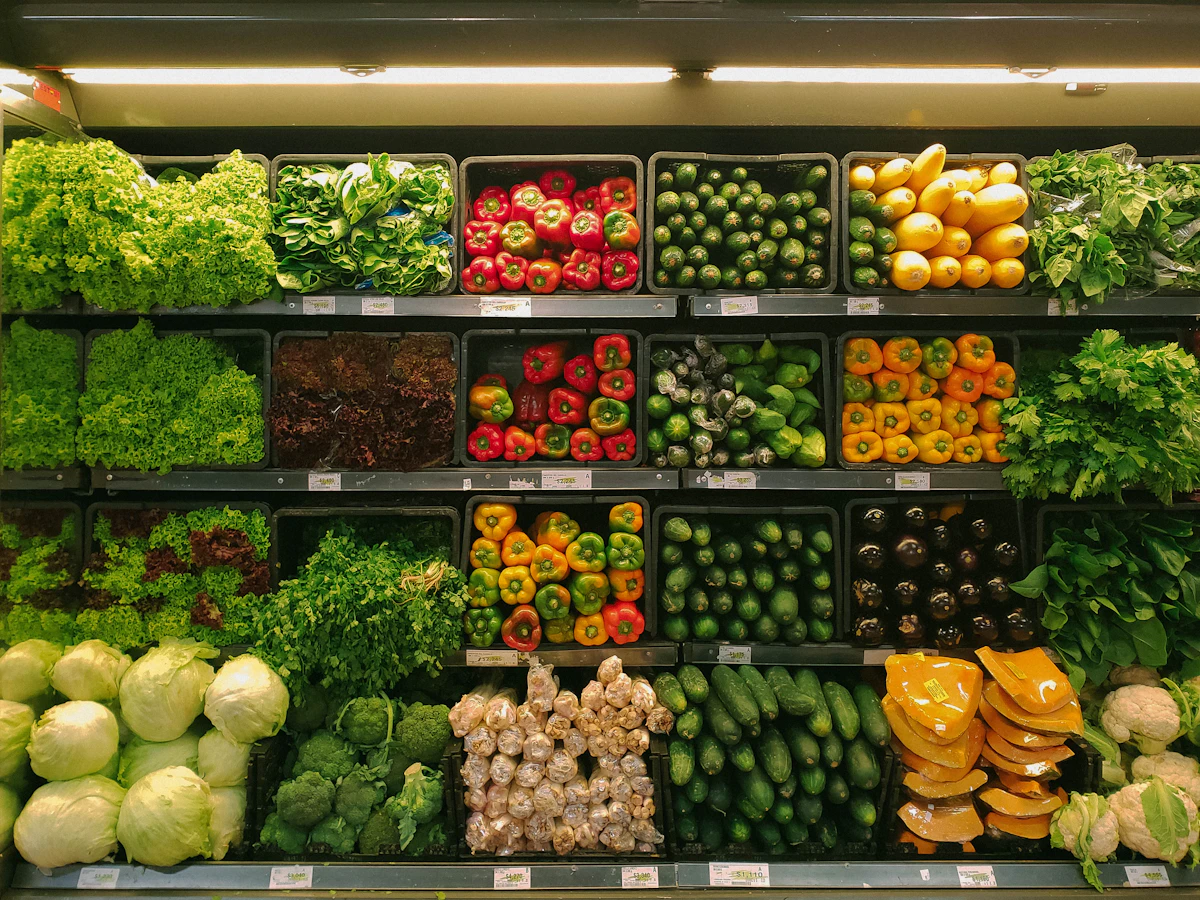
For decades, conventional wisdom held that plant proteins were inferior — incomplete in amino acid profile, slow to digest, and inadequate for serious muscle building. The science has moved on. Modern research has shown that well-formulated plant protein blends can match whey for muscle growth, recovery, and satiety. The key is leucine content and amino acid completeness — both of which can be engineered in modern formulations.
Beyond performance, plant proteins offer benefits whey cannot match: fiber, polyphenols, lower environmental footprint, no dairy concerns, and broad accessibility for adults with food allergies or ethical preferences. For vegans, vegetarians, lactose-intolerant adults, and anyone simply diversifying their protein sources, plant protein has become a mainstream choice rather than a niche compromise.
This guide is your modern, science-informed walkthrough of plant proteins: the amino acid story, the leucine threshold, head-to-head comparisons of pea, rice, soy, hemp, and blends, dosing, quality criteria, and how to integrate plant protein into a complete daily routine with help from www.farmacam.com.
Inside this guide
- What plant protein really is
- The complete vs incomplete protein myth
- The leucine threshold and dosing strategy
- Pea protein
- Rice protein
- Soy protein
- Hemp, pumpkin, and other plant proteins
- The blended-protein advantage
- Daily protein needs for vegans and vegetarians
- Plant protein for muscle gain
- Plant protein for fat loss and satiety
- Safety, side effects, and timing
- How to choose a quality plant protein
- Stacking with Farmacam essentials
- FAQs and your next step
1. What Plant Protein Really Is
Plant protein supplements are concentrated proteins extracted from beans, grains, seeds, or vegetables. Common sources include yellow split peas, brown rice, soybeans, hemp seeds, pumpkin seeds, sunflower seeds, chia, and even algae. The protein is isolated through filtration and drying processes that remove most of the starch, fiber, and fat — leaving 70–90 percent protein by weight.
Unlike single-source whey, plant proteins vary in amino acid profile depending on their plant origin. This led to the historical view that they were "incomplete." The modern view is more nuanced — and more useful.
2. The Complete vs Incomplete Protein Myth
For decades, plant proteins were called "incomplete" because most contain lower amounts of one or two essential amino acids than animal proteins. Beans are typically low in methionine; grains are typically low in lysine. The myth that vegans had to combine specific foods in the same meal (rice + beans) to form complete protein was popularized in the 1970s and later debunked.
The current understanding
- Almost all plant foods contain all nine essential amino acids — just in different ratios
- Your liver has a 24-hour amino acid pool, not a meal-by-meal one
- Eating varied plant foods over the day produces a complete amino acid profile
- Modern plant protein blends (e.g., pea + rice) deliver complete profiles in a single scoop
- Soy is naturally complete — comparable to whey in amino acid quality
Plant proteins are not incomplete — they are just complementary. Eaten as a varied collection, they cover every essential amino acid your body needs.
3. The Leucine Threshold and Dosing Strategy
As discussed in the whey article, leucine is the amino acid that triggers muscle protein synthesis. The threshold is about 2.5–3 g leucine per meal to maximally stimulate MPS. Plant proteins typically contain 7–8 percent leucine compared to whey's 10–11 percent. This means you need a slightly larger scoop of plant protein to hit the threshold:
- Whey: 25–30 g protein delivers ~2.5–3 g leucine
- Pea protein: 30–40 g protein delivers ~2.5–3 g leucine
- Soy protein: 30–35 g protein delivers ~2.5–3 g leucine
- Rice protein: 35–45 g protein delivers ~2.5–3 g leucine
For practical purposes, plan a 30–40 g serving of plant protein per meal. Add an extra 5–10 g compared to your usual whey scoop, and you've matched the muscle-building signal.
4. Pea Protein
Pea protein is extracted from yellow split peas. It has become the leading plant protein in the supplement world because of its excellent amino acid profile, low allergenicity, and smooth texture.
Strengths
- High in BCAAs (especially leucine for a plant protein)
- Rich in arginine — useful for circulation and nitric oxide
- Excellent digestibility
- Hypoallergenic (no soy, no dairy, no gluten)
- Mild, neutral flavor that blends well
Weaknesses
- Lower in methionine and cysteine than animal proteins
- Earthy aftertaste in lower-quality formulations
Best uses: post-workout shakes, breakfast smoothies, meal replacements, blends with rice protein.
5. Rice Protein
Brown rice protein has a complementary amino acid profile to pea — higher in methionine and cysteine, slightly lower in lysine. This is why pea-and-rice blends have become a popular complete-profile combination.
Strengths
- Hypoallergenic (no soy, no dairy, no gluten)
- Pairs perfectly with pea for a complete profile
- Easy on the stomach
- Sustainable production
Weaknesses
- Lower lysine than pea
- Sometimes grittier texture
- Heavy-metals concern with some brown rice sources — choose tested products
6. Soy Protein
Soy is the only plant protein widely considered complete on its own. Its amino acid profile rivals whey, and head-to-head trials have shown comparable muscle-building results when total protein and training are matched.
Strengths
- Complete amino acid profile
- High leucine content
- Well-studied with decades of clinical data
- Affordable
- Contains isoflavones with cardiovascular benefits
Weaknesses
- Common food allergen
- Phytoestrogen concerns (mostly unfounded at typical doses, but contested)
- Quality varies; choose non-GMO when possible
Soy myths debunked
Decades of research have shown moderate soy intake (1–2 servings daily) does not lower testosterone in men or feminize the body. Isoflavones bind weakly to estrogen receptors and produce a mild adaptogenic effect rather than a hormonal disruption at normal intakes.
7. Hemp, Pumpkin, and Other Plant Proteins
Hemp protein
Lower protein density (50–60 percent) but high in omega-3 fatty acids, fiber, and minerals. Mild nutty flavor. Best blended into smoothies rather than used as a high-dose protein supplement.
Pumpkin seed protein
Rich in magnesium, zinc, and iron. Slightly grittier. Good for blending and savory recipes.
Sunflower seed protein
Emerging option with good amino acid profile. Generally well tolerated.
Sacha inchi, chia, sprouted grains
Niche options often used in premium blends. Add micronutrient variety.
Algae protein (chlorella, spirulina)
Highly bioavailable and rich in minerals. Lower per-scoop protein but adds chlorophyll and antioxidants. Pair with Farmacam Chlorella for a green-superfood boost.
8. The Blended-Protein Advantage
The most effective plant protein supplements blend multiple sources to maximize amino acid completeness and palatability. Common combinations:
- Pea + rice (70/30 or 80/20): most popular, complete profile, neutral taste
- Pea + rice + hemp: adds omega-3 and fiber
- Pea + pumpkin seed + chia: high-mineral profile
- Soy + rice: budget-friendly complete profile
- Multi-source (5+ plants): maximum amino acid diversity
For most adults, a quality pea + rice blend is the most defensible default. Soy blends are excellent for those without soy allergies.
9. Daily Protein Needs for Vegans and Vegetarians
Plant-based eaters need slightly higher total protein than omnivores, because plant proteins are typically less concentrated and slightly less digestible. Practical daily targets:
- Sedentary vegan: 1.0–1.2 g/kg/day
- Active vegan: 1.4–1.8 g/kg/day
- Strength-training vegan: 1.8–2.2 g/kg/day
- Older adult vegan: 1.4–1.6 g/kg/day
For a 70-kg vegan strength athlete, that's 125–155 g protein daily — achievable through combinations of legumes, tofu, tempeh, seitan, edamame, quinoa, nuts, seeds, and 1–2 daily plant protein shakes.
10. Plant Protein for Muscle Gain
Modern randomized trials have demonstrated that pea protein, soy protein, and well-formulated blends produce muscle-growth and strength outcomes comparable to whey when total protein intake and training are matched. The key variables are:
- Slightly higher per-serving dose (30–40 g vs. 25–30 g)
- Adequate leucine (2.5–3 g per meal)
- Complete amino acid profile (use blends, not single sources)
- Resistance training 3–5 times weekly
- Adequate calories
Vegan muscle stack
- Plant protein blend 30–40 g, 2 times daily
- Creatine 5 g (vegetarians benefit even more)
- BCAA if training fasted
- Algal omega-3 EPA/DHA
- Vitamin B12 (essential for vegans)
- D Complex
11. Plant Protein for Fat Loss and Satiety
Plant proteins generally have higher fiber content than whey — even after processing some remains. This contributes to satiety and slower amino acid release, supporting longer satiety windows during fat-loss diets.
Practical strategy
- Plant protein 30 g for breakfast (blends well with fiber-rich smoothies)
- High-protein lunch (tempeh, tofu, lentils)
- Mid-afternoon plant protein shake
- Dinner with legumes or tempeh
- Optional pre-bed plant protein + fiber for sustained release
12. Safety, Side Effects, and Timing
Common side effects
- Bloating in adults new to plant protein (typically resolves with gradual introduction)
- Mild gas if fiber content is high
- Earthy aftertaste in lower-quality products
Cautions
- Allergies: soy, pea, and rice allergies exist (though rare)
- Heavy metals: some plant protein brands have shown elevated lead, cadmium, arsenic. Choose tested products.
- Thyroid conditions: high soy intake can interact with thyroid medication; separate by 4 hours
- Kidney disease: high protein intake should be coordinated with your physician
Timing
- Any time — plant proteins fit pre-workout, post-workout, and between meals
- Total daily distribution matters more than precise timing
- For sustained release: blend with fiber-rich foods (oats, chia, flax)
13. How to Choose a Quality Plant Protein
- Blended source: pea + rice (or multiple plants) for complete amino acid profile
- Protein per scoop: 25–30 g
- Third-party tested for heavy metals: especially important for rice-based products
- Minimal additives: avoid artificial colors, excessive gums, artificial sweeteners (stevia or monk fruit are cleaner)
- Organic, non-GMO: especially for soy
- Sprouted or fermented options: improve digestibility
- NSF/Informed Sport certified for athletes
Build a complete vegan performance stack at Farmacam
Combine plant nutrition with Creatine, BCAA, B-complex, and antioxidants — premium quality, affordable prices, express delivery.
Shop the Farmacam Catalog →14. Stacking Plant Protein With Farmacam Essentials
For vegan muscle building
- Plant protein 30–40 g, 2x daily
- Creatine 5 g daily
- BCAA if training fasted
- Algal omega-3
- Methyl B12
- D Complex
For general vegan wellness
- Plant protein blend
- Chlorella for chlorophyll and minerals
- Methyl B-complex (essential for vegans)
- D Complex (vegan lichen D3)
- Iron bisglycinate if confirmed need
- Zinc bisglycinate
For satiety and weight management
For older adult vegans
- Plant protein 30–40 g per meal, 3 meals daily
- D Complex
- Calcium Citrate
- Creatine
- Methyl B12
15. Frequently Asked Questions
- Can plant protein build as much muscle as whey?
- Yes, with appropriate dosing. Use 30–40 g of a quality pea+rice blend (or soy) per meal to match whey's leucine threshold, train consistently, and total daily protein remains the most important factor.
- Pea or soy — which is better?
- Both work. Pea is more hypoallergenic and increasingly popular. Soy is complete on its own and well-studied. Choose based on personal tolerance, taste, and ethical preference.
- Will soy lower my testosterone?
- No, at typical intakes. Decades of research have shown moderate soy (1–2 servings daily) does not affect testosterone in men.
- How much plant protein per day?
- 1.4–2.2 g/kg body weight depending on goals, distributed across 3–5 meals.
- Do I need creatine if I'm vegan?
- Yes — vegans benefit even more from creatine because they don't get any from food. 5 g daily is the standard dose.
- Is plant protein safe for kids?
- Yes, when used as a supplement to a varied diet. Consult your pediatrician for specific dosing.
- Does Farmacam offer plant protein?
- Farmacam stocks complementary recovery and wellness essentials including Creatine, BCAA, Chlorella, and more. Browse the catalog at farmacam.com/collections/all.
16. Final Thoughts: A Modern Plant Protein Routine That Works
Plant proteins have come of age. With modern blends, careful leucine dosing, and supporting nutrients, vegan and vegetarian athletes match their omnivorous peers in performance, body composition, and recovery. The strategy: choose a quality pea+rice (or soy) blend, dose 30–40 g per meal, train consistently, and layer the essential supporting nutrients that plant-based diets occasionally fall short on — vitamin B12, vitamin D, omega-3, iron, zinc, and creatine.
Farmacam LLC was built so that science-backed performance and wellness essentials are accessible, affordable, and easy to integrate. Browse our catalog and start your plant-powered routine tomorrow morning.
Power your plant-based performance
Premium Creatine, BCAA, Chlorella, B-complex, and recovery essentials — at affordable prices, with express delivery across the United States.
Explore the Farmacam Catalog →